
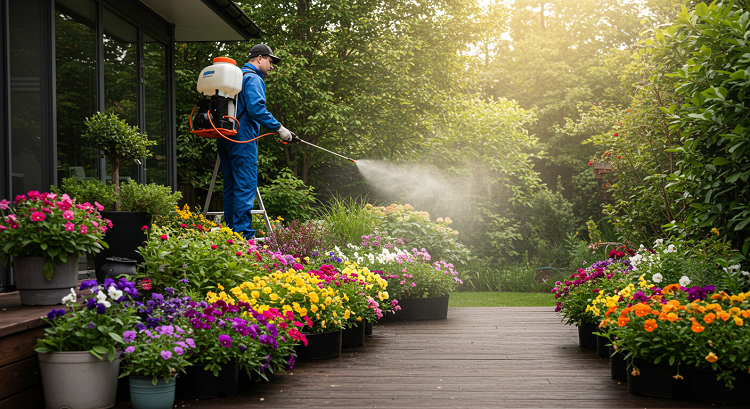

This year, Vancouver, WA, homeowners are experiencing an atypical spike in the prevalence of spiders within their homes. Due to the Pacific Northwest climate, Vancouver’s geography and growth pattern, the conditions for spiders to live indoors are perfect. Most of these creatures are not dangerous; however, ongoing issues with spiders often point to other problems that need to be assessed and treated by a professional.
Effective pest solutions in Vancouver cannot happen with just DIY. Therefore, make sure to consult a professional!
Table of Contents
What Is Causing the Spider Rise in Vancouver?
Pacific Northwest Climate Conditions
The combination of mild temperatures and moist air makes Vancouver an ideal spider breeding territory throughout the entire year. While hard-winter climate areas literally kill spiders off until the thaw, our milder winters permit spiders to run full-cycle through the majority of the seasons.
Too Much Development and Construction
Vancouver has spread out quickly over the years, pushing many spider species out of their homes. When new neighborhoods go in, like those being developed in Cascade Park and Burnt Bridge Creek, spiders looking for a home often move to the nearest house or building.
Increased Food Sources For Spiders
There are more than 500 different species of spiders in the greater Vancouver area, which means they need to compete quite a bit for food. Spiders are natural predators of flies, moths, and other insects, and homes provide an abundance of prey. Your house becomes a buffet for spiders.
Seasonal Migration Patterns
The two months of August and September are referred to as “spider season” in the Puget Sound area, as the arachnids become more conspicuous during this time, seeking out mates and a suitable winter shelter. These five months are the peak of the work out here, which most people living in and around Vancouver will tell you.
Easy Moisture and Water Access
The rainy climate of Vancouver highly favors moisture inside and outside your home. Leaky pipes, lack of ventilation, and damp basements are the humidity levels that spiders need to thrive and breed.
Where Spiders Are Most Active Indoors?
- Basements and crawl spaces – These dark, moist areas mimic spiders’ natural habitats and often have the insects they eat.
- Bathrooms and utility rooms – High moisture from showers, washing machines, and water heaters attracts spiders and their food sources.
- Garages and other storage areas – These musty areas with cardboard and other stored items are ideal hiding and breeding grounds.
- Window sills and door frames – These entry points further facilitate switching between the indoor and outdoor worlds while targeting insects drawn in by light.
- Bedroom corners and closets – These are quiet, out-of-the-way places where spiders and other bugs love to build webs and hide, especially in rooms or areas we never use.
Call in the Experts for Persistent Problems
If you see spiders on a regular basis and not sporadically, then you need to call in the pros. Pointe Pest Control offers full-spectrum spider treatments across every inch of the Vancouver area, targeting both existing and upcoming spiders. They know which type of spiders are the norm around our area, as well as the reasons these spiders find their way into our houses. Their trained technicians determine moisture, entry points, and environmental factors that lead to spiders.
Instead of merely removing observable spiders, they work to get rid of factors that attract those creatures to their homes. It becomes even more critical when dealing with dangerous animals or if your attempts to treat it yourself have not worked out.
How Dangerous Are These Spiders?
While most spiders are venomous, few in the Vancouver area are dangerous to humans. Most of Alberta’s local spider species are harmless to human beings and, in fact, serve a valuable purpose by hunting and eating flies, mosquitoes, and other pests. Typically, a spider bite would cause mild irritation like a mosquito bite, where redness and slight swelling occur and get better in a few days. Although most species in Washington do not lead to severe reactions, a handful can, so the correct identification of what a family is possibly facing is essential for peace of mind and family safety.